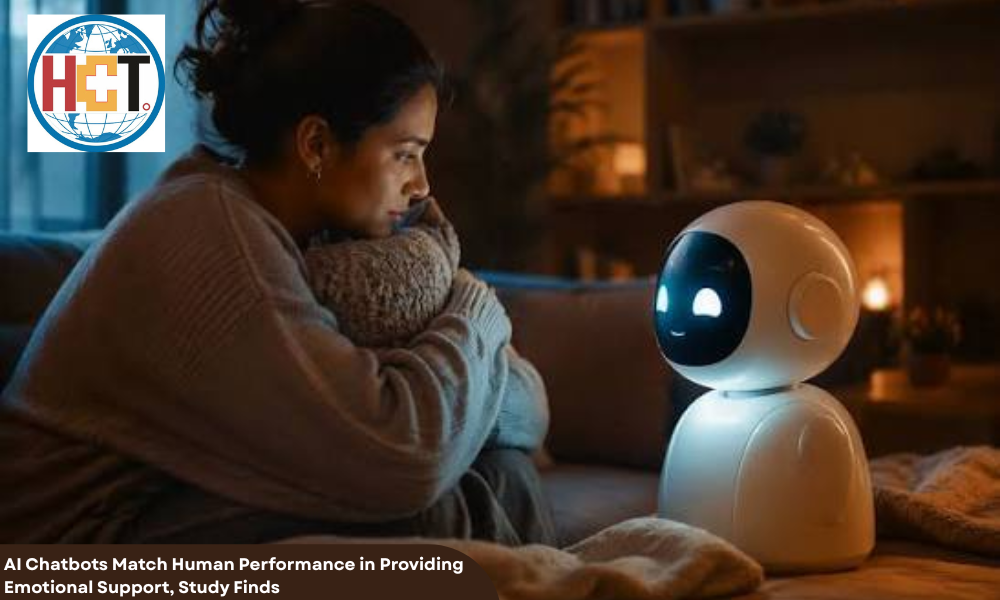
Artificial intelligence Ai chatbot such as ChatGPT are becoming increasingly effective at providing emotional support, with new research suggesting they can match—and in certain situations even outperform—human responses in everyday conversations.
The study, led by The University of Manchester in collaboration with Durham University, examined how large language models (LLMs) respond to emotionally challenging but non-clinical situations. Published in the journal Emotion, the research indicates that AI-generated responses can deliver meaningful comfort and practical guidance, particularly when they include clear, actionable advice.
The findings highlight the growing potential of AI as a complementary source of emotional support, while reinforcing that its effectiveness depends on the context of the interaction.
Comparing Ai chatbot and Human Responses
The research consisted of five separate studies involving a total of 1,233 participants. Researchers compared emotional support messages generated by three leading AI models—ChatGPT 4o, Claude 3.5 Sonnet, and Gemini 1.5 Pro—with responses written by human participants.
The scenarios reflected common everyday experiences rather than clinical mental health situations. Participants received supportive messages addressing challenges such as being overlooked for a promotion at work or returning home to find a shared living space left untidy by housemates.
Importantly, participants were not informed whether the messages they evaluated had been written by a human or generated by AI. This allowed researchers to assess the quality of support without preconceived bias.
Actionable Advice Makes the Difference
One of the study’s key findings was that emotional support becomes more effective when it combines empathy with practical, actionable guidance. Responses that offered constructive suggestions alongside emotional validation were consistently rated more positively, regardless of whether they originated from a human or an AI chatbot.
The researchers noted that this combination of understanding and problem-solving significantly improved the perceived quality of emotional support across both groups.
Perception Does Not Reduce Effectiveness
Interestingly, although many participants correctly identified whether a response came from an AI or a human, this knowledge did not diminish the value of AI-generated support. In studies where chatbot responses received higher ratings than human responses, participants continued to report positive experiences even after recognizing the AI source.
The findings suggest that trust in AI-generated emotional support may be increasing, particularly when responses demonstrate empathy, relevance, and practical usefulness. While AI is not intended to replace professional mental health care or human relationships, the research points to its growing role as an accessible tool for providing everyday emotional reassurance and guidance.
Also Read :- 5 Must-Know Health Tech Gadgets That Will Transform Your Well-being This Year