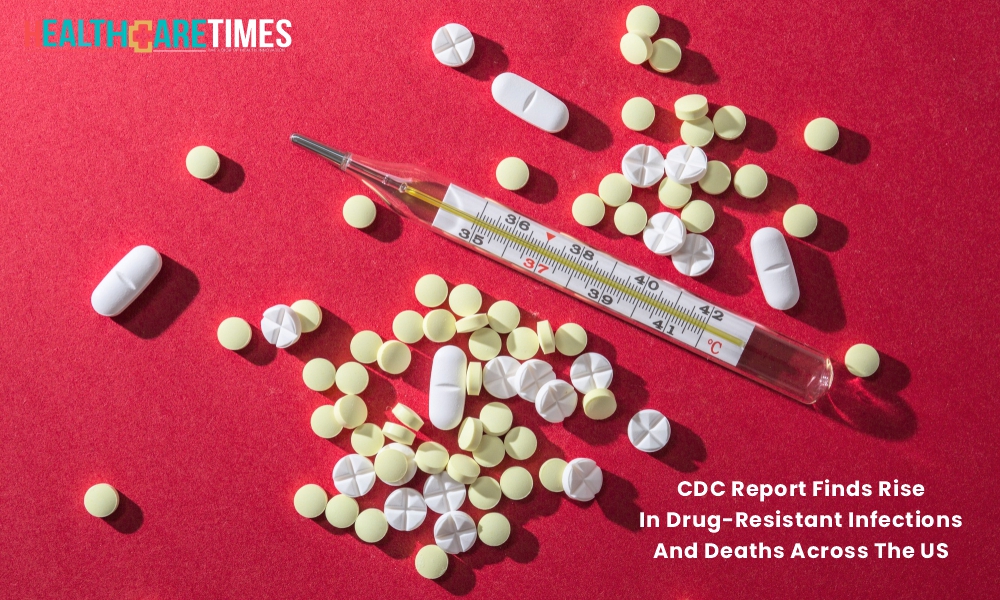
The US is facing a growing threat from drug-resistant infections, with new data from the Centers for Disease Control and Prevention (CDC) highlighting the rising burden of antimicrobial resistance (AMR).
According to the agency’s latest Antimicrobial Resistance Threats Report, Drug-Resistant Infections bacteria and fungi cause an estimated 9.7 million infections annually in the US, while deaths linked to these pathogens have reached approximately 50,800. The report draws on data from 2023 and highlights the growing challenges of treating infections that no longer respond effectively to available medicines.
Healthcare-Associated Infections Drive Deaths
The CDC estimates that infections commonly affecting hospital patients account for more than 42,000 deaths annually and cost the US healthcare system over $12 billion.
Although the figures are higher than estimates published in 2019, the agency cautions that changes in data sources and research methods mean the two reports cannot be directly compared. Some of the increase, however, reflects a genuine rise in infections caused by resistant pathogens.
CDC Director Erica Schwartz warned that antimicrobial resistance threatens modern medicine and puts millions of Americans at risk each year.
Four Pathogens Classified As Urgent Threats
The report identifies 19 Drug-Resistant Infections pathogens, categorising four as urgent threats, 13 as serious threats and two as concerning threats. Six additional pathogens are included on a watch list.
Among the urgent threats is Candida auris, a drug-resistant fungus that spreads rapidly in healthcare settings and disproportionately affects vulnerable patients. The US recorded 4,523 infections in 2023, approximately ten times the 2019 figure. Infected patients face a reported mortality rate of 29% to 62%.
Experts say limited antifungal treatment options make these infections difficult to manage, underscoring the need for new medicines, better screening and improved hospital disinfection.
Resistant Bacteria And Gonorrhoea Raise Concerns
Carbapenem-resistant Enterobacterales (CRE), a group of bacteria resistant to multiple antibiotics, are another urgent threat. CDC researchers previously reported an 18% increase in hospital CRE incidence between 2019 and 2023. Of 14,878 cases recorded in 2023, 67% began in community settings, although some patients may have had recent healthcare exposure.
Drug-Resistant Infections Neisseria gonorrhoeae, the bacterium responsible for gonorrhoea, also remains a concern. Limited treatment options could increase complications, including pelvic inflammatory disease, ectopic pregnancy and infertility.
Experts say stronger infection prevention measures, responsible antibiotic use and investment in new treatments are essential to address the growing threat.
Also Read :- CDC Confirms Third Measles-Related Death in the United States