A simple photograph of a person’s face could provide valuable insights into their health, biological age and potential survival outcomes, particularly among Cancer Patients undergoing cancer treatment.
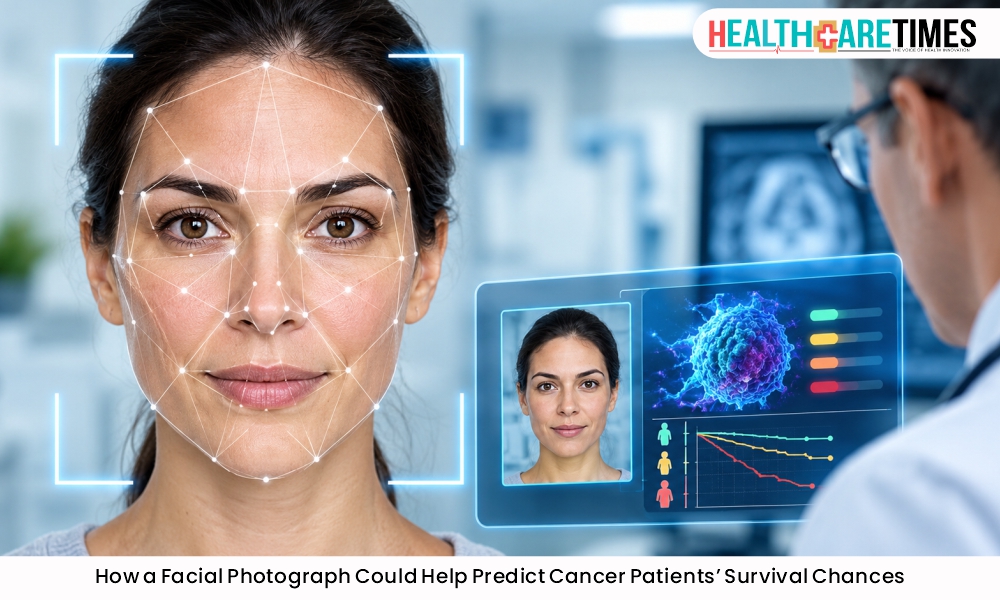
Researchers at Mass General Brigham in Boston have developed artificial intelligence (AI) models capable of estimating a cancer patient’s biological age and predicting their risk of death using just a single facial photograph. The findings, published on Monday in The Lancet Digital Health, suggest that facial analysis could eventually serve as an additional tool for doctors assessing patients’ health and determining appropriate treatment strategies.
The technology could offer clinicians another way to evaluate a patient’s overall condition and potential response to treatment. However, further research would be needed to establish how reliably such predictions can guide clinical decisions.
Dr Raymond Mak, a radiation oncologist at the Mass General Brigham Cancer Institute and a faculty member in its Artificial Intelligence in Medicine programme, said he was surprised that a facial photograph could reveal indicators associated with mortality risk.
“I was pretty surprised to find out that we could pick up signs of mortality risk from just a facial photograph,” Mak said.
Distinguishing Biological Age from Chronological Age
The AI models were trained on more than 40 million facial images and analyse specific facial features to estimate biological age and assess mortality risk.
Chronological age refers to the number of years a person has lived, whereas biological age reflects the extent of ageing in the body, taking into account physical and cellular changes. The two measures do not always correspond, as people of the same chronological age can experience different rates of ageing.
According to Mak, the model estimating biological age examines several areas of the face, including the temples, forehead, region above the eyes and nasolabial folds — the lines running from the sides of the nose towards the corners of the mouth.
These features help the algorithm assess visible characteristics associated with ageing and estimate how old a person appears biologically.
Different Facial Features Reveal Mortality Risk
Interestingly, the AI model designed to predict mortality risk focuses on different facial regions from those used to estimate biological age.
Mak explained that this algorithm examines the bridge of the nose and the area beneath the eyes to identify patterns associated with a patient’s likelihood of survival.
The distinction suggests that facial indicators associated with biological ageing may differ from those that help predict mortality risk.
Potential Role in Cancer Care
If validated through further studies, facial analysis could provide doctors with an additional source of information when evaluating cancer patients. Such insights might complement existing clinical assessments and help healthcare professionals better understand differences in patients’ overall health.
However, the technology should not be viewed as a standalone diagnostic tool or a substitute for established medical evaluations. Its potential role will depend on further evidence demonstrating its accuracy, reliability and usefulness across different patient groups and cancer types.
Also Read :-6 Myths About Healthy Aging That Doctors Say Aren’t True