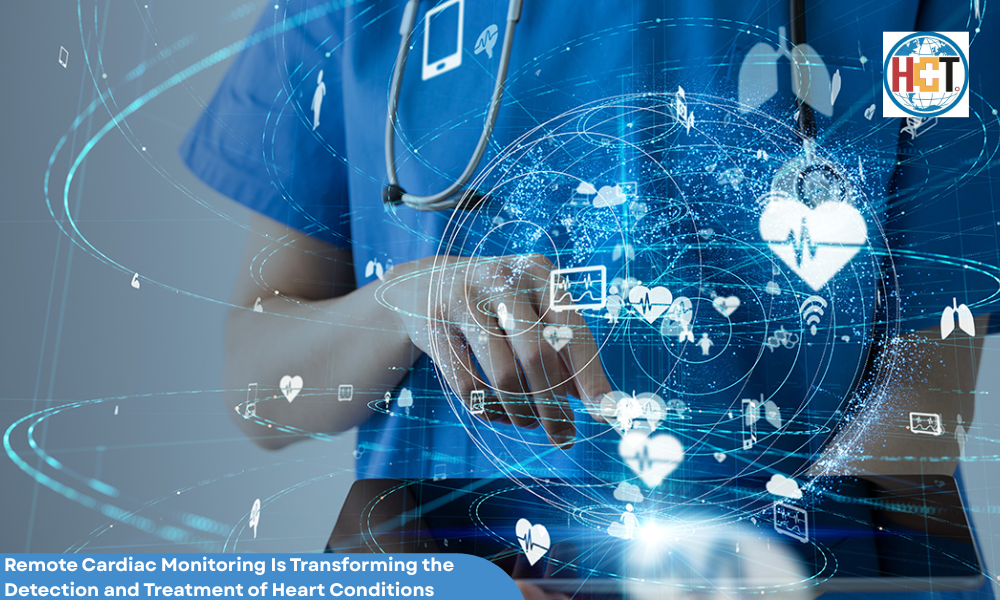
Remote cardiac monitoring is emerging as a powerful tool in modern heart care, allowing physicians to detect potentially dangerous rhythm abnormalities before they lead to serious complications.
Dr. Phillip Koren, director of the Cooper Heart Institute and medical director of Cooper and Inspira Cardiac Care, saw its value firsthand when a close friend repeatedly received Apple Watch alerts indicating possible atrial fibrillation (AFib).
The friend had never been diagnosed with AFib and experienced no noticeable symptoms, including palpitations or shortness of breath. After Koren reviewed the watch data, however, he confirmed multiple episodes of the irregular heart rhythm. The early discovery, Koren believes, may have helped prevent a stroke.
AFib causes the heart’s upper chambers to beat irregularly, potentially allowing blood to pool and form clots that can travel to the brain. Because the condition can remain silent, continuous monitoring can play a critical role in identifying it early.
Three Levels of Monitoring
Koren broadly divides remote cardiac monitoring into three categories. Consumer devices such as Apple Watch and Samsung Galaxy Watch can detect irregular rhythms and record single-lead electrocardiograms that patients can share with physicians.
However, patients must activate the relevant features. Simply owning a smartwatch does not guarantee that AFib detection is enabled.
The second category includes prescription medical-grade patch monitors, which can be worn for days or weeks. Some devices transmit cardiac data continuously to monitoring centres, enabling real-time surveillance. These systems can be particularly useful for patients who have experienced unexplained strokes and require extended monitoring for AFib.
The third category comprises implantable monitors such as Reveal LINQ. Inserted beneath the skin, these devices can continuously transmit heart rhythm data using cellular connectivity, allowing patients to be monitored while at home or on the move.
Technology Moves Beyond the Clinic
The growing adoption of remote Remote Cardiac Monitoring reflects a broader shift toward continuous, technology-enabled healthcare. Wearable blood-pressure monitoring is also moving closer to clinical applications, potentially expanding the role of consumer devices in cardiovascular care.
Health systems are exploring similar technologies. RWJBarnabas Health, for example, has been expanding efforts involving disposable blood-pressure patches designed to identify changes that periodic clinical measurements can overlook.
As monitoring technology becomes more accessible, physicians increasingly see continuous data as a complement to traditional care—and a potential means of identifying cardiac risks before they become life-threatening.
Also Read :- How AI is Revolutionizing Patient Care in 2025?