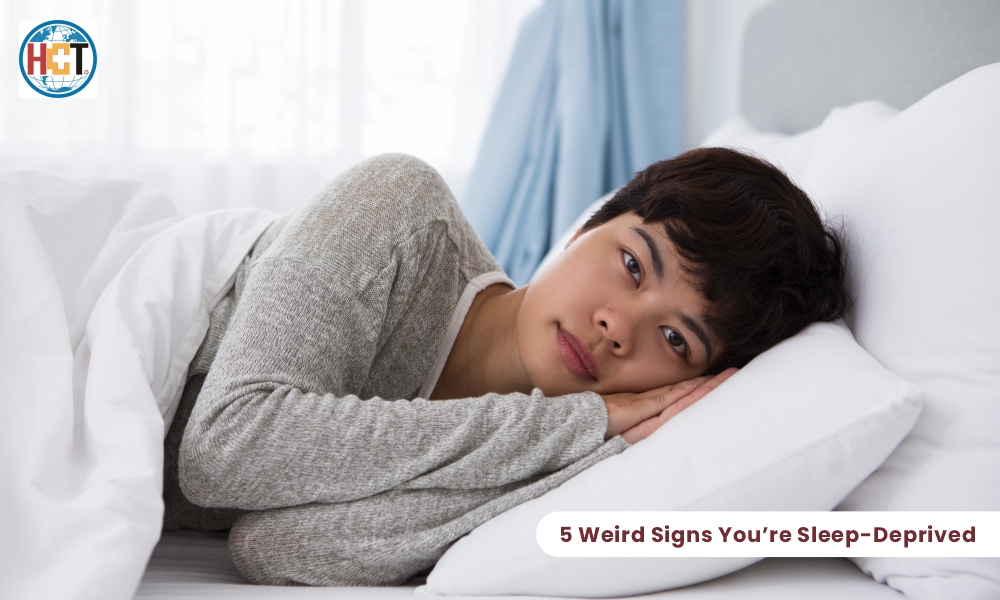
Sleep deprivation is often associated with familiar symptoms such as heavy eyelids, constant yawning, morning fatigue and difficulty concentrating. But a lack of quality sleep can affect far more than energy levels. According to sleep specialists, disrupted sleep can influence appetite, mood, attention and several other functions in ways people may not immediately connect to their sleep habits.
5 Signs Of Sleep-Deprived
1. ADHD-Like Symptoms
Poor sleep can affect attention, behavior and impulse control, sometimes producing symptoms that resemble ADHD. Sleep specialists say conditions such as obstructive sleep apnea can worsen these difficulties, particularly in children.
Adults can experience a similar problem. A delayed circadian rhythm can make it difficult to become sleepy until late at night. If someone then has to wake early for work, the resulting sleep shortage can lead to persistent concentration and behavioral problems.
2. Strong Cravings for Junk Food
An unexplained desire for chips, sweets or other high-calorie foods after a poor night may also be linked to sleep deprivation. Sleep loss can disrupt ghrelin and leptin, hormones involved in hunger and fullness.
Lower leptin and higher ghrelin can leave people feeling hungrier while reducing the sensation of being full. Sleep deprivation may also increase the brain’s attraction to calorie-dense foods. Research cited by sleep experts suggests that people may consume roughly 300 additional calories per day when they are sleep-deprived.
3. Mood Changes
Sleep and emotional health are closely connected. Insufficient sleep can make people more irritable, emotionally reactive or less able to manage everyday stress. Small problems may therefore feel much more difficult after several nights of poor sleep.
4. Difficulty Controlling Impulses
Lack of sleep can reduce the brain’s ability to regulate behavior and decision-making. This can show up as impatience, impulsive choices or difficulty resisting tempting foods and activities.
5. Physical Symptoms You May Overlook
Sleep problems can also affect the body in less obvious ways. Specialists note that disrupted sleep may be connected with symptoms involving the jaw, bladder and other bodily systems.
These signs do not necessarily mean someone is sleep-deprived, but when several appear alongside fatigue or poor concentration, sleep quality may be worth examining. Recognizing these unusual signals can help people identify sleep problems earlier and make changes before they become persistent.
Also Read :- Doctor Debunks Popular Sleep Products and Offers Better Sleep Advice