Global Cancer Cases continues to pose one of the world’s most pressing public health challenges, with new cases projected to rise sharply over the coming decades unless governments strengthen prevention, early detection and access to treatment, according to a new global report released by the World Health Organization (WHO) and the International Agency for Research on Cancer (IARC).
Published on July 8, the Global Status Report on Cancer 2026 highlights widening disparities in cancer care across countries and warns that millions of lives remain at risk due to unequal access to essential medicines and healthcare services.
Global Cancer Cases Burden Continues to Grow
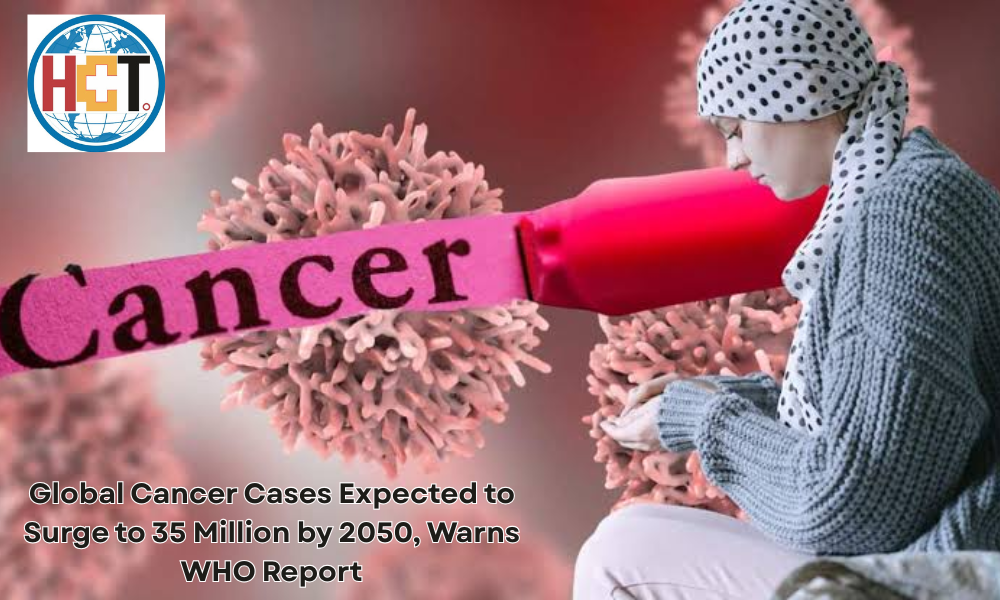
The report estimates that around 20.6 million people are diagnosed with cancer each year, while nearly 10 million deaths are attributed to the disease annually. Cancer remains the second leading cause of death worldwide, behind cardiovascular diseases.
According to the WHO and IARC, if current trends continue, annual cancer cases could climb to nearly 35 million by 2050, driven by population growth, ageing populations and increasing exposure to risk factors such as tobacco use, unhealthy diets, alcohol consumption, obesity, air pollution and physical inactivity.
The report underscores that without stronger public health interventions, healthcare systems across the world will face mounting pressure in the coming decades.
Stark Inequalities in Access to Treatment
One of the report’s key findings is the significant gap in access to life-saving cancer medicines between high-income and lower-income countries.
The availability of the 20 priority cancer medicines ranges from only 9% to 54% in low- and lower-middle-income countries. In contrast, access in high-income nations stands between 68% and 94%, highlighting deep inequities in cancer treatment.
Limited availability Global Cancer Cases of essential medicines, delayed diagnoses, inadequate healthcare infrastructure and shortages of trained specialists continue to undermine survival rates in many developing nations.
Call for Stronger Global Action
The WHO and IARC stress that a large proportion of cancer cases can be prevented or detected early through evidence-based public health measures. Expanding vaccination programmes, reducing tobacco and alcohol consumption, promoting healthier lifestyles, strengthening screening initiatives and improving access to timely diagnosis and treatment are among the strategies recommended to reduce the global cancer burden.
The report also calls for greater international cooperation and increased investment in cancer care, particularly in low-resource settings where access to medicines and treatment remains limited. Without decisive action, the growing number of cancer cases is expected to widen existing health inequalities and place an even greater strain on healthcare systems worldwide.
Also Read :- Legionnaires’ Disease Cases Rise to 14 on Manhattan’s Upper East Side