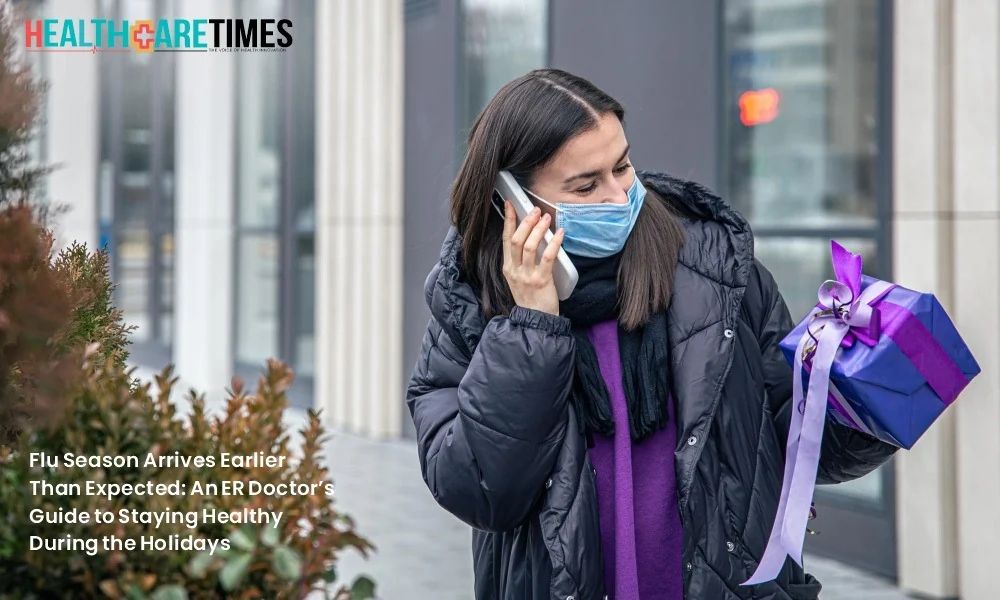
The United States is experiencing an unusually early and intense flu season, with hospital admissions and positive test results rising sharply ahead of the Thanksgiving holiday. Emergency room doctors are already witnessing the seasonal surge, which typically becomes noticeable around Christmas but has arrived several weeks earlier this year.
During the week ending November 14, US hospitals recorded 11,734 laboratory-confirmed flu admissions, compared with 1,665 during the corresponding week last season. This represents an increase of more than seven times. Nearly 12.5% of flu tests conducted nationwide are also returning positive results, indicating growing community transmission.
Flu Season Activity Spreads Across Multiple States
According to the latest surveillance report from the Centers for Disease Control and Prevention (CDC), 11 states and other jurisdictions are currently experiencing high or very high influenza activity, compared with eight the previous week.
The outbreak has also affected children, with seven flu-related paediatric deaths reported so far this season. The CDC estimates that influenza has already caused at least 3.7 million illnesses, 50,000 hospitalisations and 2,800 deaths across the country.
These figures highlight the growing public health concern as influenza spreads ahead of the traditional peak of the winter season.
Holiday Travel Raises Health Concerns
The timing of the outbreak is particularly concerning as millions of Americans prepare for Thanksgiving travel, one of the busiest periods of the year. Crowded airports, busy public transport and large family gatherings create more opportunities for respiratory infections to spread.
Older adults, young children and people with weakened immune systems may face greater risks of developing serious complications. Family gatherings involving grandparents, infants and other vulnerable individuals therefore require additional precautions.
Practical Steps to Reduce Infection Risks
Health experts encourage people to take preventive measures during the holiday season. Staying up to date with Flu Season vaccinations, washing hands regularly, improving indoor ventilation and avoiding close contact with others when experiencing symptoms can help limit transmission.
People who develop fever, persistent cough or body aches should monitor their symptoms and seek medical advice when necessary.
Knowing When to Seek Emergency Care
Although many flu cases can be managed at home, severe breathing difficulties, chest pain, confusion, dehydration or worsening symptoms require immediate medical attention.
With flu activity increasing earlier than expected, taking precautions before travelling and attending holiday gatherings can help protect individuals, families and communities.
Also Read :- U.S. Medical Groups Issue Updated Flu and COVID Vaccine Guidance Amid Federal Uncertainty