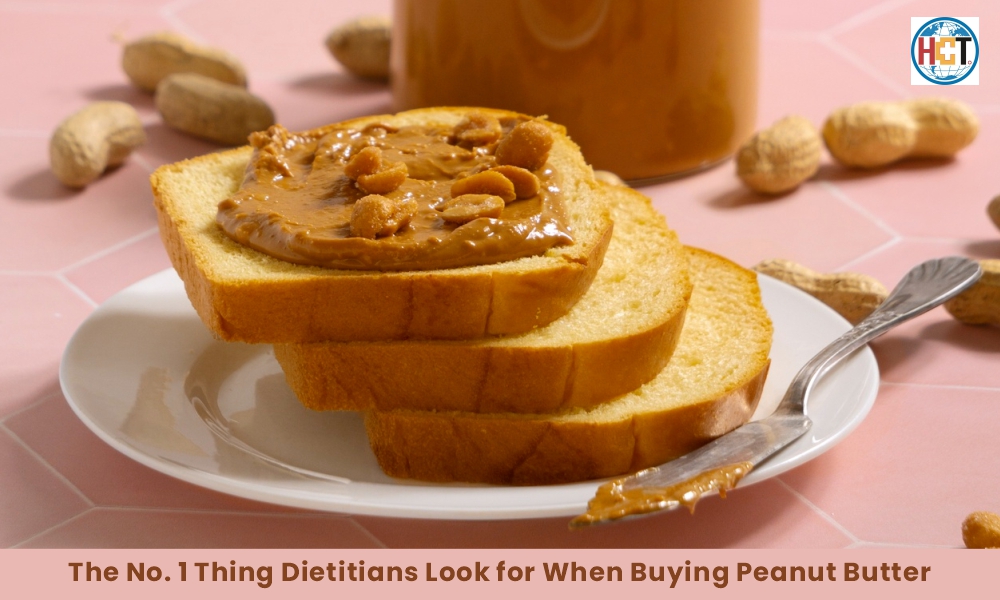
Peanut butter is more than just a convenient spread. Packed with protein, heart-healthy fats and some fiber, it can be a satisfying addition to breakfast, snacks or smoothies. While it can fit easily into a balanced diet, choosing the right jar at the grocery store can make a difference. According to dietitians, one simple characteristic can help shoppers identify peanut butter with a relatively short and straightforward ingredient list: natural oil separation.
Look for Oil Separation
Peanut butter that naturally separates and requires stirring before use is generally made without certain stabilizers used to keep the oil blended into the product. This can be a useful visual clue when comparing different varieties.
Natural peanut butter often contains little more than peanuts and salt, or simply peanuts for an unsalted option. Natalie Rizzo, a registered dietitian and TODAY nutrition editor, has previously recommended checking the ingredient list and choosing products with these basic ingredients.
The presence of oil at the top of a jar is therefore not necessarily a sign that the peanut butter has spoiled or is lower quality. Instead, it can indicate that the product has not been heavily processed with ingredients designed to prevent separation.
A Short Ingredient List Is Key
For shoppers seeking a simple option, the ingredient list remains more important than whether the peanut is smooth or crunchy. Both textures can provide similar nutritional benefits, so the choice largely comes down to personal preference.
Products labeled “natural” often contain peanuts and salt without added stabilizers like palm oil. Because the natural oils separate, the peanut butter may require some stirring before it becomes evenly blended.
There is also a practical way to make the process easier. Storing a natural peanut butter jar upside down in the refrigerator can help distribute and solidify the oils, potentially reducing the amount of stirring required before serving.
Watch for Added Sugar
Oil separation is not the only consideration. Shoppers should also check the nutrition and ingredient labels for added sugar, particularly when buying flavored varieties.
Honey-roasted, chocolate and other specialty peanut butters can contain additional sweeteners and ingredients that are not necessary in a basic peanut butter.
Ultimately, a simple approach is to choose a product with peanuts as the primary ingredient and minimal additions, while checking for added sugars and unnecessary oils or stabilizers. For everyday use, a short ingredient list can make it easier to identify a peanut butter that delivers the nutritional benefits of peanuts without a long list of extras.
Also Read :– Is It Safe to Eat Lettuce Yet? What to Know About the Cyclosporiasis Outbreak