For Kate Jarvis, school was relatively effortless during her childhood. A high-achieving and highly organized student, she consistently earned top grades and was known for her creativity and preparation. But after puberty, that picture changed dramatically.
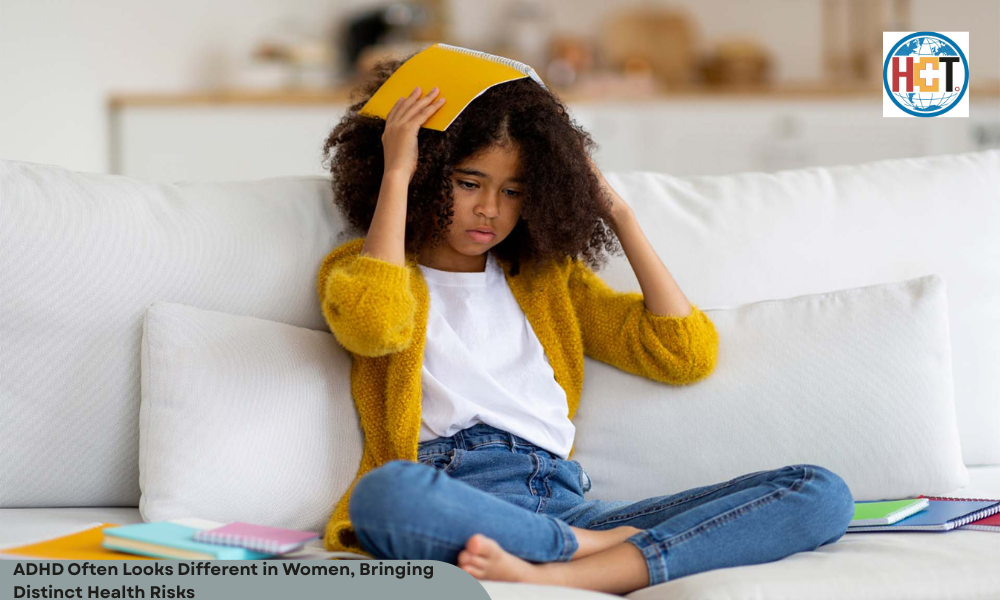
Jarvis began struggling with concentration and saw her grades decline. The experience affected her confidence, while difficulties fitting in led to diagnoses of anxiety and depression during high school. Teachers often described her as someone with considerable potential who simply needed to apply herself.
Jarvis eventually learned that what appeared to be a lack of effort was actually undiagnosed attention-deficit/hyperactivity disorder (ADHD). She did not receive an ADHD diagnosis until her late 30s.
ADHD Can Present Differently in Girls
Experts say experiences like Jarvis’ are not unusual. For decades, ADHD was widely viewed as a childhood condition primarily affecting boys, and much of the research focused on male patients.
Girls, however, can display symptoms in less disruptive ways. Julia Schechter, a clinical psychologist and co-director of the Duke Center for Girls and Women with ADHD, says girls are more likely to appear distracted, disorganized or lost in thought rather than exhibit obvious hyperactivity or impulsive behavior.
Because these symptoms may not attract attention in classrooms, girls can go undiagnosed for years. Many women reach adulthood before identifying ADHD as the underlying reason for longstanding difficulties. In the meantime, some are treated for anxiety or depression.
Schechter notes that these conditions can genuinely coexist with ADHD, but in some cases they may also develop or worsen after years of untreated symptoms.
Missed Diagnosis Can Have Serious Consequences
The impact of untreated ADHD can extend far beyond academic performance. The neurodevelopmental condition can affect relationships, emotional regulation, impulse control and self-esteem.
For women and girls, research suggests that some risks may be particularly pronounced. Compared with those without ADHD, women with the condition are more likely to experience difficulties maintaining friendships and face a greater risk of abuse within romantic relationships.
Studies have also linked ADHD in women and girls to higher rates of teenage pregnancy, feelings of worthlessness, self-harm and suicide attempts.
Recognizing the Signs Earlier
Experts emphasize that recognizing how ADHD can present in girls is important for improving diagnosis and treatment. Symptoms such as persistent disorganization, difficulty concentrating, forgetfulness and feeling overwhelmed may be less visible than hyperactivity but can still significantly affect daily life.
Earlier recognition could help prevent years of misunderstanding and allow women to receive appropriate support before the consequences of untreated ADHD become more severe.
Also Read :- Anthropic CEO Says AI Must Deliver Real Breakthroughs to Win Public Trust