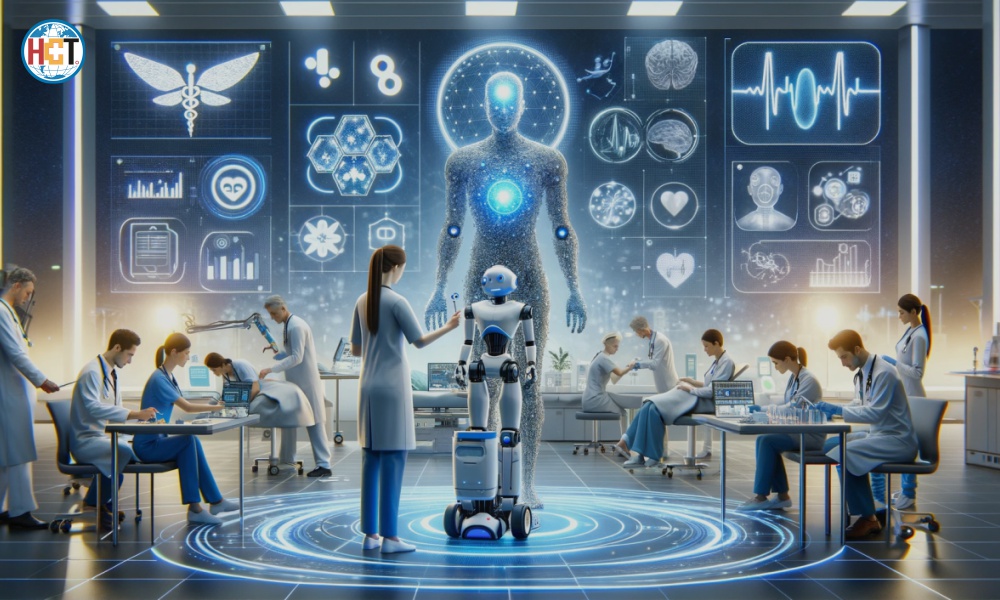
Artificial Intelligence (AI) is redefining the future of healthcare, driving breakthroughs that are transforming diagnosis, treatment, and long-term health outcomes. As hospitals and healthcare systems adopt intelligent technologies, patient care is becoming more personalized, predictive, and precise than ever before.
From faster disease detection to smarter treatment recommendations, AI is helping clinicians make better decisions while improving patient experiences. Here’s how this technological revolution is reshaping modern healthcare.
1. Smarter Diagnostics and Early Disease Detection
AI has become a powerful ally in diagnostic analysis of X-rays, MRIs, and CT scans with remarkable accuracy. Machine learning models can detect minute patterns that may escape the human eye, allowing doctors to diagnose conditions such as cancer, heart disease, and neurological disorders much earlier.
For example, AI-powered imaging tools now assist radiologists in spotting early signs of breast cancer and lung nodules with higher precision. By catching diseases in their earliest stages, clinicians can intervene sooner, improve outcomes, and elevate the overall quality of patient treatment.
2. Personalized Treatment and Precision Medicine
Every patient is different, and AI helps healthcare providers tailor treatments to individual needs. Using advanced algorithms, systems can analyze a patient’s genetics, health records, and even lifestyle data to recommend customized therapies.
In oncology and cardiology, AI tools are helping doctors predict how patients will respond to specific medications or treatment plans. This data-driven personalization reduces side effects, improves adherence, and delivers more effective results. Ultimately, AI enables precision medicine that puts the patient at the center of patient care.
3. Streamlining Hospital Operations and Resource Management
Beyond clinical settings, AI is optimizing hospital operations and reducing administrative burdens. Predictive analytics can forecast patient admissions, manage staffing needs, and streamline scheduling, ensuring resources are used efficiently.
AI-powered chatbots and virtual assistants are also helping hospitals handle routine patient inquiries, freeing up staff to focus on direct care. These operational improvements not only boost efficiency but also translate into smoother, faster, and more coordinated health services experiences.
4. Remote Monitoring and AI-Powered Telehealth
The integration of AI with wearable devices and telemedicine platforms is extending healthcare beyond traditional hospital walls. Smartwatches, patches, and sensors now collect real-time health data such as heart rate, blood oxygen, and sleep patterns. AI systems analyze this continuous data flow to detect irregularities and alert clinicians to potential health risks.
For patients with chronic illnesses, this means consistent monitoring and timely intervention. AI-driven virtual assistants and telehealth apps also provide instant medical guidance, making healthcare more accessible and responsive. This shift toward proactive and remote monitoring marks a new chapter in patient care innovation.
5. Enhancing Clinical Decision-Making
AI doesn’t replace doctors, it empowers them. Intelligent decision-support systems analyze millions of data points, from medical journals to patient histories, to help physicians make evidence-based decisions quickly.
For example, AI algorithms can suggest potential diagnoses or highlight relevant clinical research, ensuring doctors have the most accurate information at their fingertips. This collaborative model enhances safety, reduces diagnostic errors, and strengthens trust, the foundation of excellent patient care.
6. Addressing Data Security and Ethical Challenges
As AI becomes integral to healthcare, data privacy and ethics take center stage. Patient information powers AI systems, but it must be protected under strict compliance standards. Healthcare organizations must ensure transparency, fairness, and accountability in how AI models are trained and used.
Investing in strong cybersecurity measures, anonymizing sensitive data, and maintaining clear patient consent protocols are vital for building trust. Responsible innovation ensures that as AI transforms healthcare, it does so with integrity and respect for patient rights, a crucial aspect of sustainable patient care.
7. The Future of AI in Healthcare
The next generation of AI in healthcare will go beyond automation and analytics. Predictive models will anticipate health trends before they occur, robotic surgery systems will become more precise, and AI-driven virtual care will make healthcare accessible to remote populations.
As technology evolves, the focus must remain clear: improving human lives. The synergy between data, intelligence, and compassion will define the next frontier of patient care, where innovation meets empathy to deliver better outcomes for all.
Conclusion
AI is no longer a futuristic concept; it’s a practical solution transforming how healthcare professionals deliver care every day. From diagnostics and treatment to operations and patient engagement, its impact is far-reaching and deeply human.
By integrating AI responsibly, healthcare systems worldwide are not only improving efficiency but also redefining the very essence of patient care, making it more intelligent, connected, and personalized than ever before.