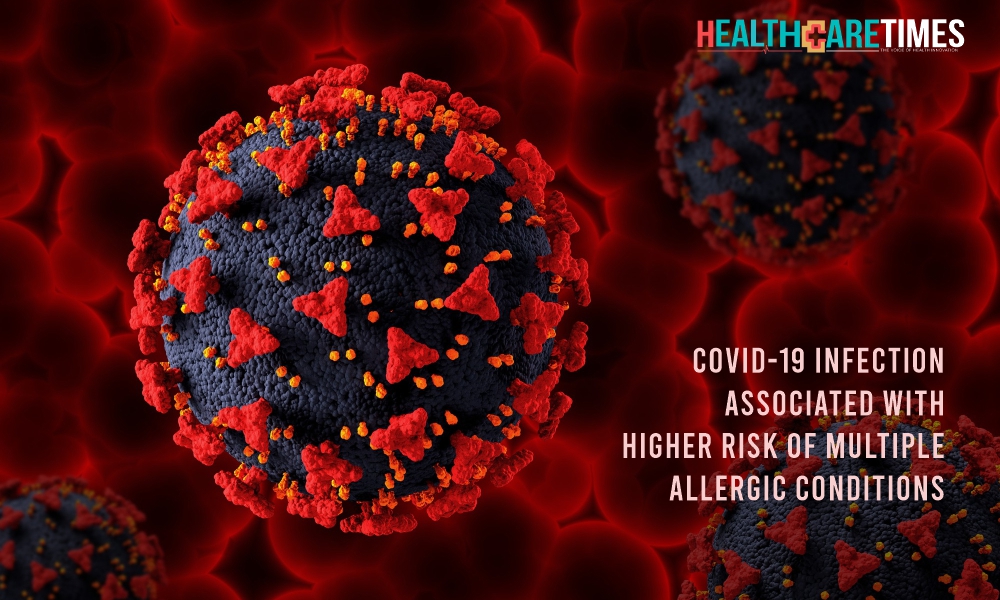
A recent retrospective cohort study has found that COVID-19 infection may be linked to an increased risk of developing several allergic conditions in both children and adults. The findings suggest that the effects of COVID-19 may extend beyond the acute phase of illness, potentially contributing to a broader burden of allergic diseases in the months following infection.
Researchers identified significant associations between COVID-19 and six newly diagnosed allergic conditions, highlighting the need for continued monitoring of patients after recovery.
Evaluating Allergic Outcomes After Infection
The study examined the relationship between COVID-19 exposure and the subsequent development of allergic diseases over an 18-month follow-up period. Using a 1:2 propensity score-matched retrospective cohort design, researchers compared individuals with a history of COVID-19 infection against matched controls.
The analysis focused on newly diagnosed cases of atopic dermatitis, asthma, food allergy, rhinoconjunctivitis, medication allergy, and urticaria. By tracking incident diagnoses during the follow-up period, investigators sought to determine whether COVID-19 infection was associated with a higher likelihood of developing these conditions.
Researchers calculated hazard ratios for each allergic outcome across the overall study population and also conducted separate analyses involving children and active-duty service members.
Increased Risk Across Multiple Allergic Diseases
Results from the full study cohort showed that COVID-19 infection was associated with significantly elevated risks for all six allergic conditions assessed. The findings indicate that the association was not limited to a single type of allergy but extended across respiratory, dermatological, food-related, and medication-related disorders.
The broad pattern of associations suggests that COVID-19 may influence immune responses in ways that increase susceptibility to a range of allergic diseases.
Differences Observed Among Population Groups
Subgroup analyses revealed notable differences between demographic groups. Among active-duty service members, statistically significant associations were observed primarily for asthma and rhinoconjunctivitis.
In children, however, COVID-19 infection was linked to five of the six allergic conditions examined. Food allergy was the only outcome that did not show a significant association within this subgroup.
The study also identified a socioeconomic trend. Higher sponsor rank, used as a proxy indicator of socioeconomic status, was associated with a slightly reduced risk of asthma development.
Implications for Public Health
The findings contribute to growing evidence that COVID-19 may have longer-term health implications beyond respiratory illness. Researchers emphasized that an increase in post-infection allergic diseases could place additional pressure on healthcare systems and affect quality of life for patients.
The authors also proposed a potential connection between COVID-19 infection and type 2 inflammatory responses, although they cautioned that the observational nature of the study does not establish a direct causal relationship. Further research will be necessary to better understand the biological mechanisms involved and to determine how these associations may influence future patient care and public health strategies.
Also Read :– How the U.S. Pharma Sector is Tackling Supply Chain Challenges in the Wake of COVID-19