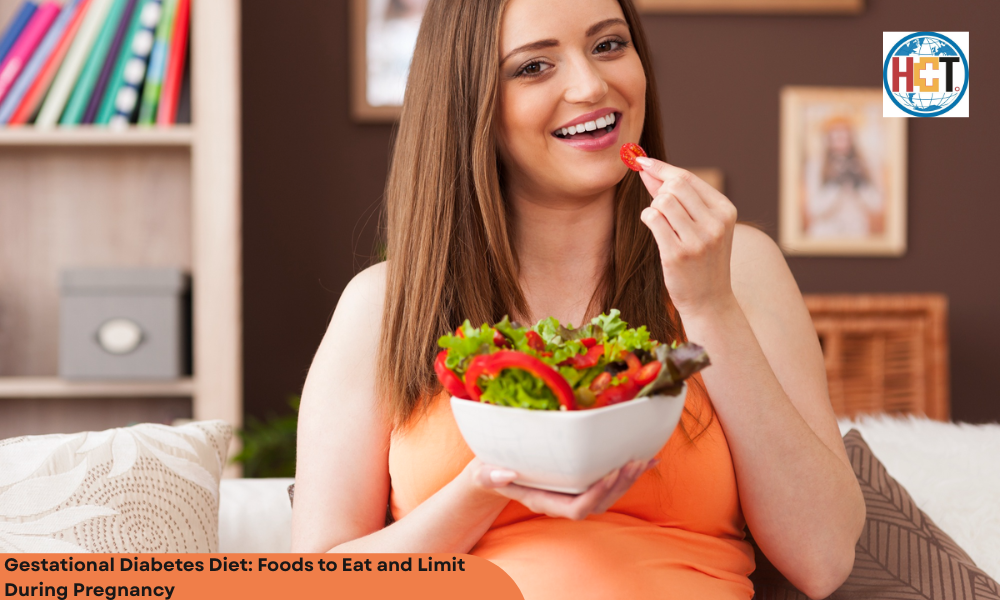
Gestational diabetes diet is not caused by a lack of effort or poor food choices. During pregnancy, hormonal changes produced by the placenta can make it more difficult for the body to use insulin effectively, causing blood sugar levels to rise.
However, a balanced diet can play an important role in managing blood glucose and reducing the risk of complications. Registered dietitian Tegan Bissell, RD, LDN, CDCES, and diabetes educator Megan Asterino-McGeean, BSN, RN, CDCES, emphasize the importance of combining nutritious carbohydrates with protein and healthy fats.
Why Food Choices Matter for Gestational Diabetes Diet ?
Pregnancy hormones can interfere with insulin’s ability to regulate blood sugar. As a result, glucose levels may rise more easily, particularly after meals containing large amounts of carbohydrates.
Poorly controlled blood sugar during pregnancy can increase the risk of complications, including excessive fetal growth and a greater likelihood of requiring a cesarean delivery. A well-planned eating pattern can help support healthier blood sugar levels while providing essential nutrients for both mother and baby.
Prioritize Lean Protein
Protein can improve fullness, slow digestion and provide essential nutrients required for fetal growth. Lean options include chicken, eggs, fish and tofu.
Including protein at breakfast may also help maintain steadier appetite levels throughout the day. For some people, a protein-rich morning meal may also help reduce feelings of morning sickness.
Choose Non-Starchy Vegetables
Non-starchy vegetables provide fiber, vitamins and minerals while containing relatively few carbohydrates. They can therefore form a substantial part of meals without causing the same blood sugar impact as carbohydrate-rich foods.
Good choices include broccoli, cucumbers, green beans, peppers and leafy salad greens. Including a variety of vegetables can also help increase overall nutrient intake during pregnancy.
Also Read :- Best Kidney-Healthy Foods to Add to Your Diet for Better Health Protection
Gestational Diabetes Diet Add Healthy Fats
Healthy fats can promote fullness and support overall heart health. Suitable choices include avocados, nuts, seeds, nut butters and olive oil. Pairing healthy fats with other nutritious foods can create more balanced meals and snacks.
Focus on Complex Carbohydrates
Carbohydrates remain an important source of energy, fiber and essential nutrients during pregnancy. Rather than eliminating them, the focus should be on choosing complex carbohydrates that digest more slowly than refined carbohydrates and sugars.
These slower-digesting options generally produce smaller increases in blood sugar, making them a better fit for a balanced gestational diabetes eating plan.
Because individual blood sugar responses vary, people with gestational diabetes should work with their healthcare team or a registered dietitian to develop a meal plan suited to their pregnancy and glucose targets.
Also Read :- Epic’s AI Push Strengthens Its Health IT Position, But Startups Still Have Room to Compete