The fitness industry is experiencing a revolution, one driven not just by physical endurance or personal motivation, but by the power of technology. As innovation reshapes every sector, fitness too is entering a new era powered by automation, artificial intelligence (AI), and the Internet of Things (IoT). The result? Smart gyms, an ecosystem of connected devices, personalized analytics, and immersive training experiences, are redefining how individuals approach health and wellness.
The Rise of Tech-Driven Fitness
Gone are the days when gym-goers relied solely on personal trainers and static routines. The integration of smart devices and digital ecosystems has transformed the gym experience from reactive to proactive. With real-time performance tracking, adaptive training plans, and virtual coaching, next-gen gyms have made fitness more precise, accessible, and data-driven.
Today’s connected fitness spaces leverage sensors, wearables, and cloud platforms to gather insights on movement, posture, and energy expenditure. These systems then translate that data into actionable feedback, helping members achieve goals faster while minimizing the risk of injury. What once required months of observation by trainers can now be monitored and optimized instantly through intelligent software.
Personalization Through Artificial Intelligence
The defining strength of smart gyms lies in their ability to personalize fitness journeys. AI-powered platforms analyze user data to create customized workout plans that adapt in real time based on performance and progress. Whether it’s adjusting resistance, changing workout intensity, or recommending recovery strategies, the system acts like a digital personal trainer that learns from each session.
For fitness professionals, this technology enables deeper engagement. Trainers can monitor multiple clients remotely, provide insights via mobile apps, and use predictive analytics to optimize outcomes. This blend of human expertise and machine intelligence ensures that members receive holistic guidance precise, responsive, and sustainable.
Integration of IoT and Wearable Technology
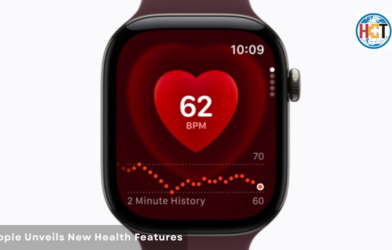
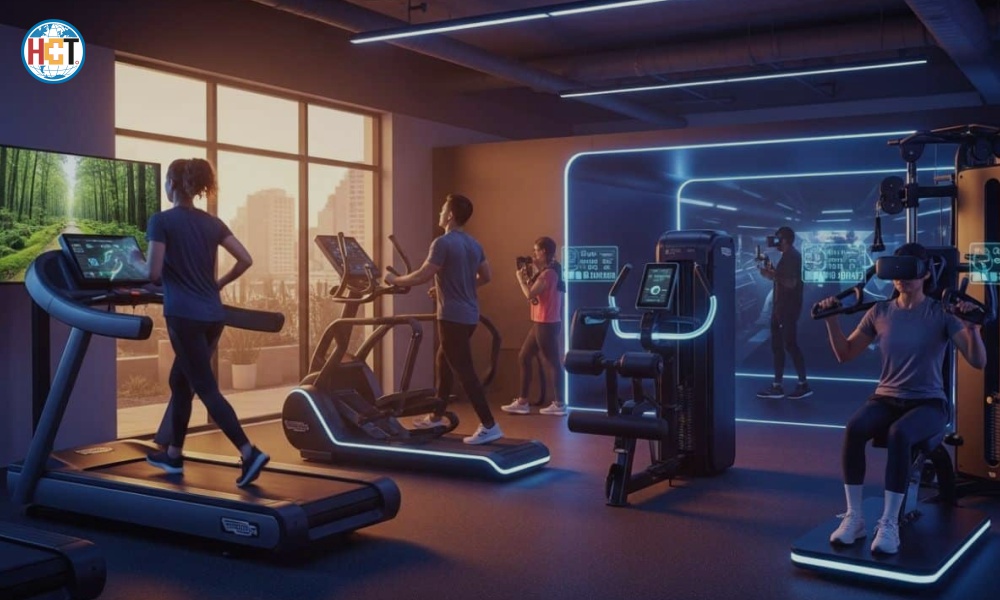
The modern gym is no longer just a physical space; it’s an interconnected ecosystem. From smart treadmills that sync with health apps to wearable sensors that monitor heart rate variability, IoT is making fitness both smarter and more seamless.
Members can enter the gym, sync their wearable devices, and have their entire workout plan displayed automatically on compatible equipment. Data flows across platforms, recording every rep, heartbeat, and calorie burned. This integration extends beyond the gym floor—users can track nutrition, sleep, and stress levels through the same digital network, creating a comprehensive wellness profile.
In addition, IoT-driven maintenance ensures operational excellence. Equipment downtime is reduced through predictive alerts, energy consumption is optimized, and safety compliance becomes more efficient. The result is a sustainable, high-performance environment benefiting both gym owners and members.
Virtual Coaching and Immersive Experiences
Smart gyms are also redefining the concept of engagement through immersive digital experiences. Augmented reality (AR) and virtual reality (VR) training modules allow users to simulate real-world scenarios like cycling through mountain trails or boxing in virtual arenas. These technologies enhance motivation and reduce monotony, especially for individuals who thrive on gamified workouts.
Meanwhile, AI-enabled virtual trainers guide users through every step of their routines, providing form corrections and encouragement in real time. This combination of guidance, interactivity, and fun has made fitness more inclusive and appealing to a broader audience from beginners to professional athletes.
Redefining Business Models in Fitness
The impact of intelligent gyms extends beyond training; it’s also reshaping the business landscape. Subscription-based models, hybrid memberships, and connected home fitness integrations have emerged as new revenue streams. Members now expect flexibility options to train in-person, virtually, or both.
Gyms equipped with digital platforms can offer tiered memberships, customized content, and AI-driven assessments that add value to every experience. The data collected also empowers owners to understand member behavior, retention patterns, and preferences, allowing them to refine services and stay competitive in a crowded market.
Sustainability and Efficiency at the Core
Beyond performance, technology in fitness is also fostering sustainability. Smart equipment powered by kinetic energy, automated lighting systems, and energy-efficient HVAC management are making gyms greener. Many next-generation facilities are designed to minimize environmental impact while improving member comfort and operational costs.
Moreover, AI-driven analytics optimize resource allocation from managing water usage in facilities to predicting peak hours for staff scheduling. These innovations make connected gyms not only fitness hubs but also models of responsible business operations.
The Future of Fitness: Human + Machine Synergy
While technology is at the heart of the transformation, the human element remains irreplaceable. Trainers, physiologists, and wellness experts now act as interpreters of data, translating analytics into action. The relationship between human insight and machine precision defines the future of the fitness experience: collaborative, informed, and goal-oriented.
In the coming years, the evolution of smart gyms will continue to accelerate, blending AI, robotics, and neuroscience into training regimens. From biometric-based coaching to adaptive recovery programs, the focus will increasingly shift toward hyper-personalized wellness. The gyms of the future will be intelligent ecosystems anticipating needs, predicting performance, and continuously evolving with each user’s journey.
Conclusion
The emergence of smart gyms marks a turning point in how society views fitness and well-being. By merging technology, personalization, and sustainability, these innovative spaces are making health management more efficient, inclusive, and enjoyable. They empower individuals to move beyond traditional routines and embrace data-driven, meaningful transformations.
As technology continues to advance, the partnership between human motivation and digital intelligence will shape the next chapter of wellness, one where fitness is not just a destination but a connected, evolving experience for every individual.